How Wildlife in Maine Survives Winter
Maine’s wildlife faces long, harsh winters, especially in the north and west, where cold and snow can dominate nearly half the year. To survive these challenging conditions, animals have evolved three main strategies: hibernation (or torpor), migration, and remaining active.
Hibernation and Torpor
Some mammals in Maine cope with winter by entering a state of hibernation, a remarkable adaptation that pushes their physiology to the extreme. True hibernators, such as certain bats, the meadow jumping mouse, groundhog, and possibly the chipmunk, prepare for winter by fattening up during the summer and fall. As days shorten, hormonal changes trigger a significant drop in body temperature, respiration, and heart rate. These animals find protected locations, slow their metabolism, and rely on stored energy until spring returns and food becomes available.
Other mammals, like bears, raccoons, and skunks, enter a lighter state called torpor—sometimes described as “hibernation lite.” These animals spend most of the winter in a dormant state but may wake up and even emerge from their dens during brief warm spells. For example, people sometimes spot bear tracks in the snow as early as February or March. For these species, hibernation or torpor is less about escaping the cold and more about surviving periods when food is scarce. Remaining active without access to food would be fatal, so evolution has favored these energy-saving strategies.
Migration
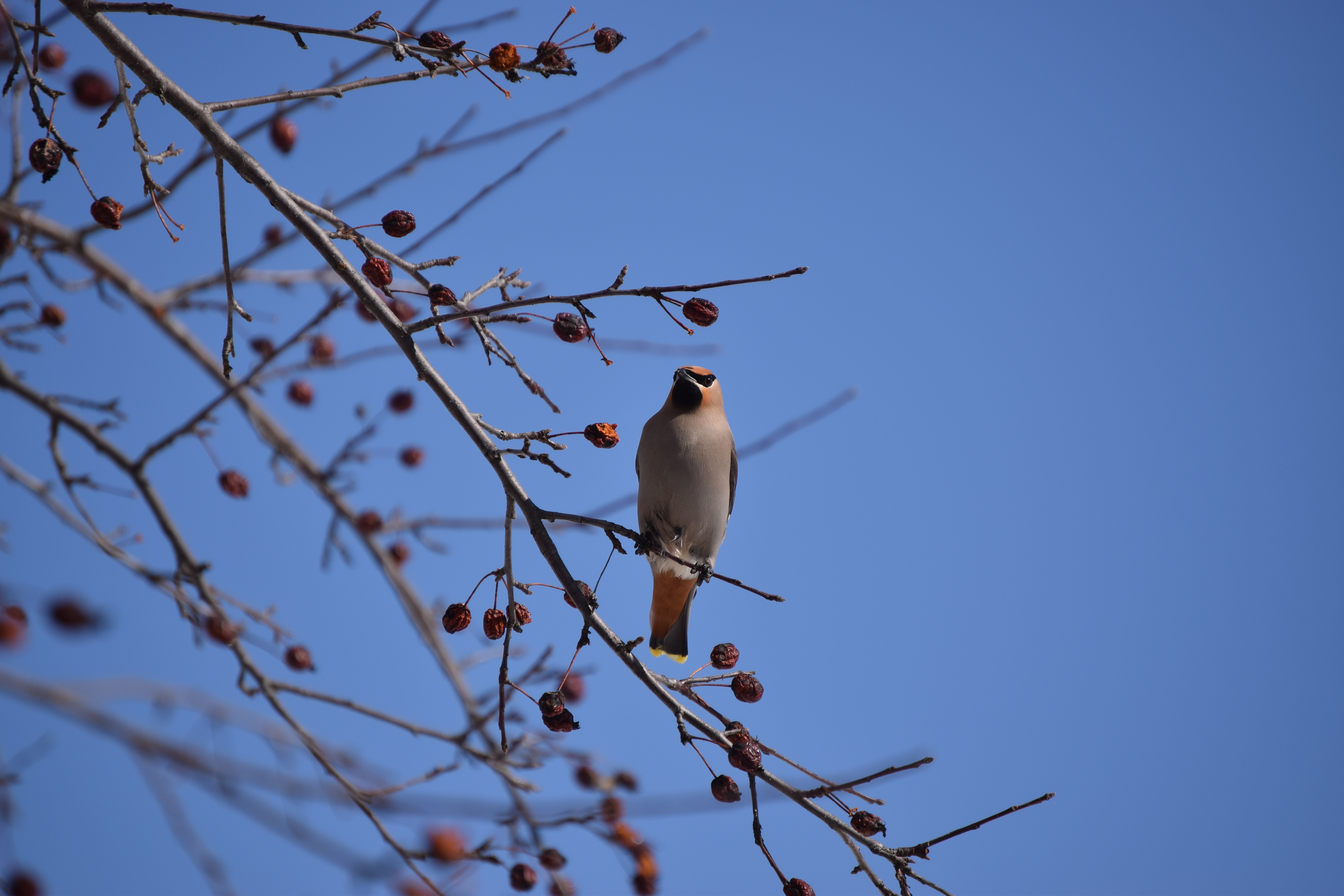
Migration is another adaptation to Maine’s winter, though it is mostly limited to birds and insects. This physically demanding strategy involves significant risks but allows animals to escape the harshest conditions. The osprey, for example, leaves Casco Bay for Brazil during the winter, while the endangered piping plover migrates from southern Maine beaches to the Caribbean as early as August. The monarch butterfly, weighing less than a gram, undertakes an astonishing journey of up to 100 miles a day to reach mountain ranges in Mexico. Migration requires endurance and exposes animals to many dangers, but it enables them to find food and milder climates.
Remaining Active
Most animals in Maine, however, remain active throughout the winter, relying on physical and social adaptations to survive. This strategy is physically demanding and risky, as animals must constantly generate and conserve heat. Birds like the chickadee and kinglet fluff their feathers and shiver almost continuously, turning their bodies into highly efficient metabolic machines.
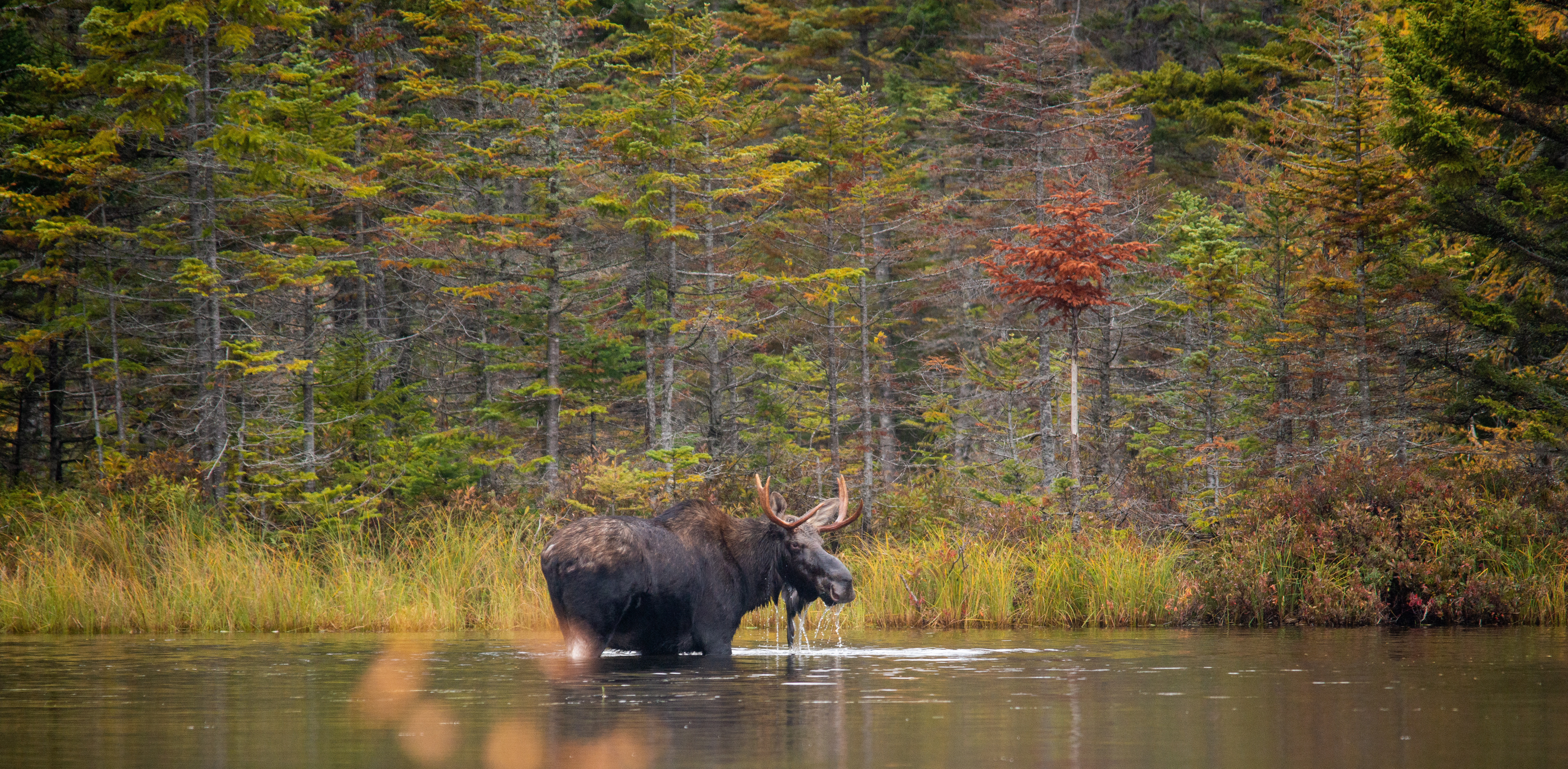
White-tailed deer, not particularly well adapted to Maine’s deep snow and cold, enter winter at their physical peak. As snow deepens, many deer migrate locally to “deer yards,” where they share packed trails with others, conserving energy. They move less, seek shelter under evergreen branches, and find sunny, south-facing slopes to stay warm. Food is scarce and of poor quality, but deer make do with what is available, sometimes browsing on hardwoods near their wintering areas. The presence of many deer together also helps them detect predators more effectively.
Life Beneath the Snow: The Subnivean Zone
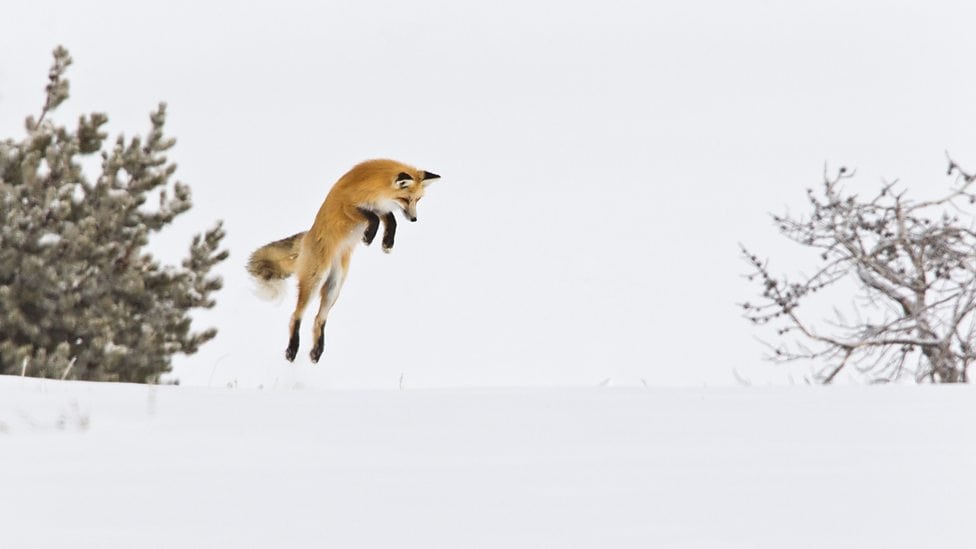
As winter progresses, the snowpack creates a unique environment called the subnivean zone—the space between the ground and the snow. Here, the temperature remains near freezing, providing a relatively stable and insulated habitat for small mammals like voles, mice, and shrews. These animals create tunnels and food caches beneath the snow, protected from the worst of the cold. However, predators such as weasels, foxes, and owls are well adapted to hunt in this hidden world. As spring approaches and the snow melts, these tunnels become less effective refuges, and survival becomes even more precarious for both rodents and deer.
Conclusion
In summary, Maine’s wildlife demonstrates remarkable resilience and adaptability in the face of winter. Whether by hibernating, migrating, or braving the cold with ingenious strategies, these animals endure months of hardship until the warmth and abundance of spring return